Computational Genomics Evolutionary Medicine
At the Jeong Lab, we examine genome structure and epigenetic regulation across species and cell types to better understand human evolution, aging, and neurological disorders. We combine comparative genomics with long-read sequencing and single-cell multi-omics data to resolve complex genomic regions and characterize their regulatory activity. We develop computational models to identify complex patterns and infer how genomic and epigenomic variation influences gene regulation.
Recent News
View all news →- Our single-cell DNA methylome study is now published in Nature Aging. Congrats!
- Dr. Hyeongwoo Choi has joined the Jeong Lab as a postdoctoral researcher. Welcome!
- Dr. Jaewoong Lee joins the Jeong Lab as a postdoctoral researcher. Welcome!
- 강동균, 류다영, and 이영서 join the Jeong Lab as undergraduate researchers. Welcome to the lab!
- The Jeong Lab officially opens its doors.
Featured Publications
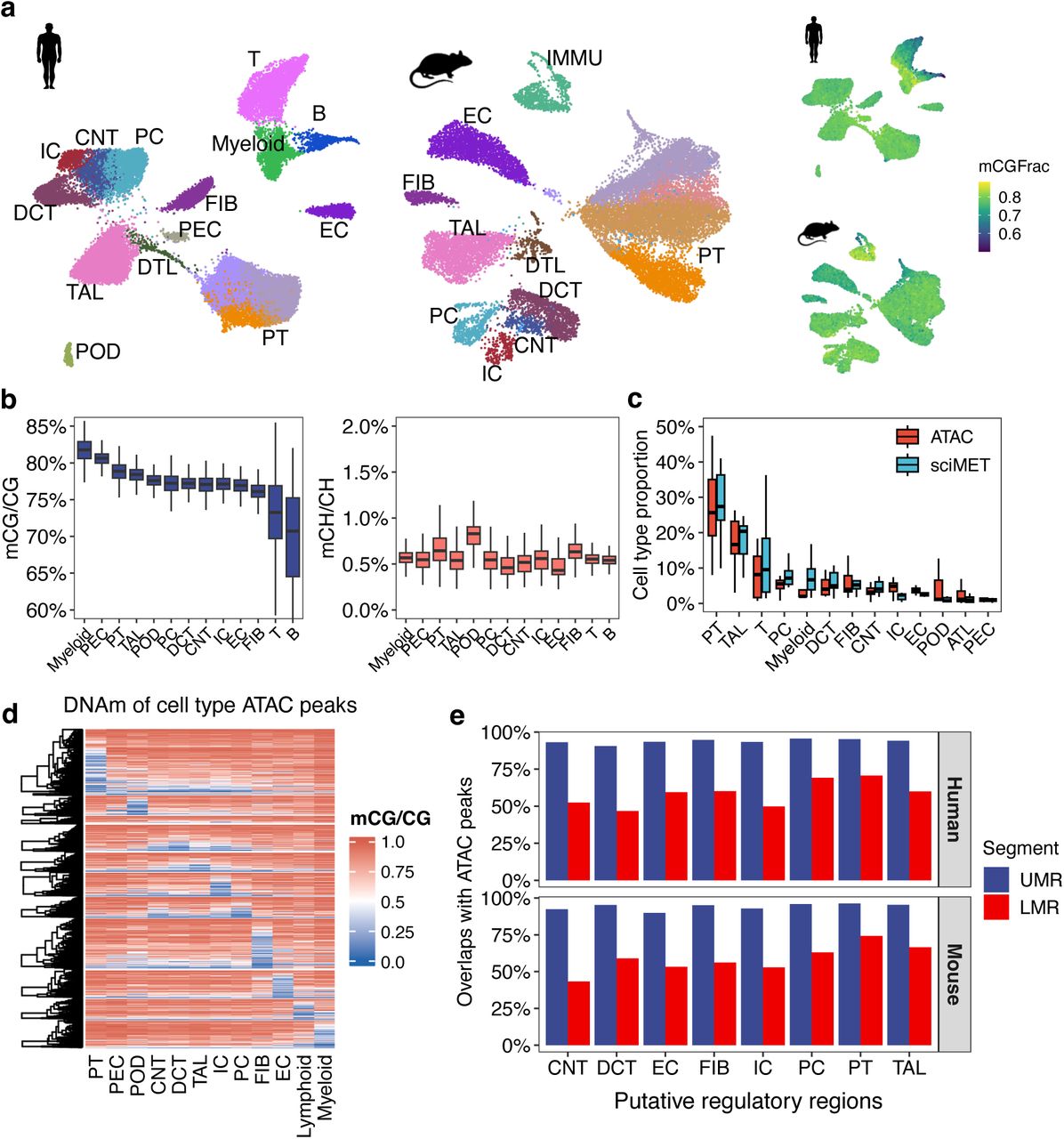
A cross-species single-cell kidney epigenome atlas reveals epithelial-dominant aging-like states in disease
Single-cell multi-omics maps cell-type-specific aging and disease-associated repair states across human and mouse kidneys.
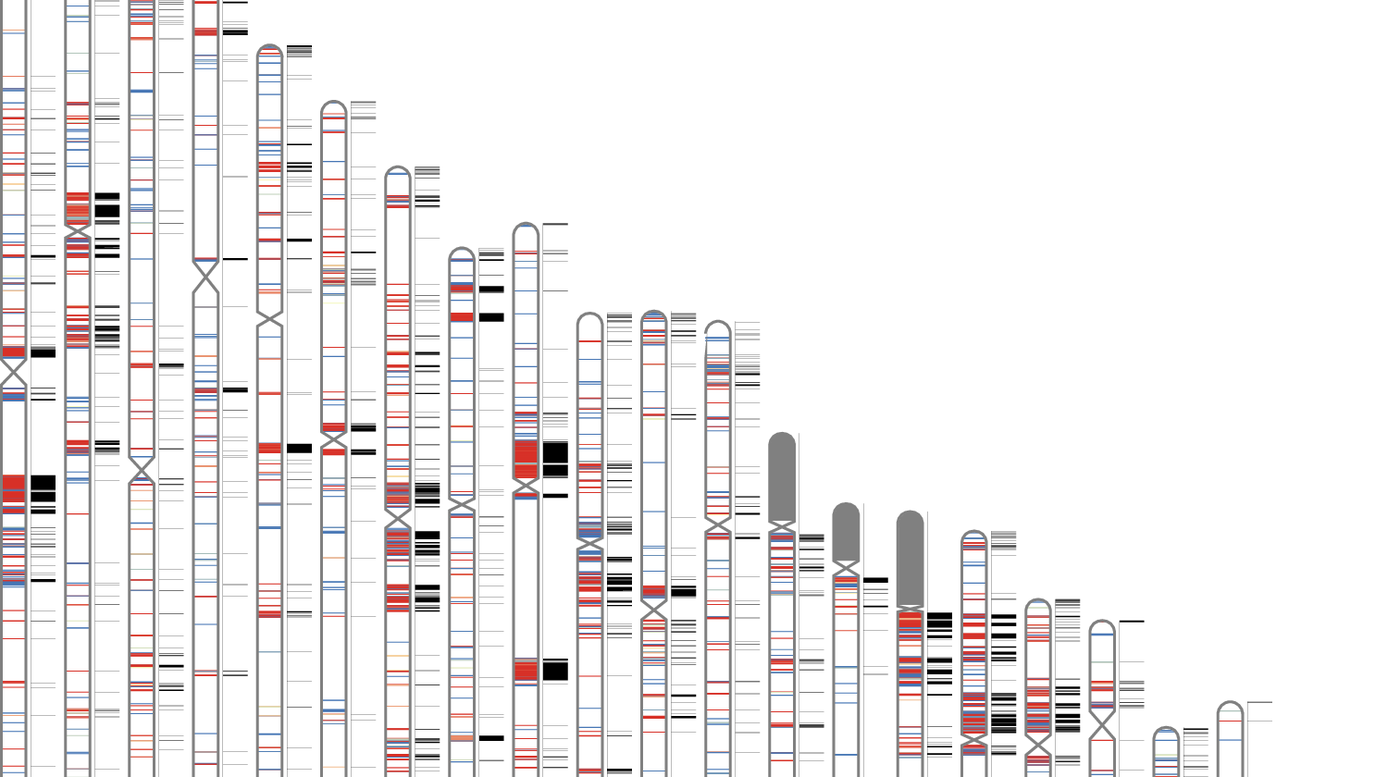
Structural polymorphism and diversity of human segmental duplications
Long-read assemblies reveal population-scale diversity in duplicated regions that have been difficult to resolve at sequence level.
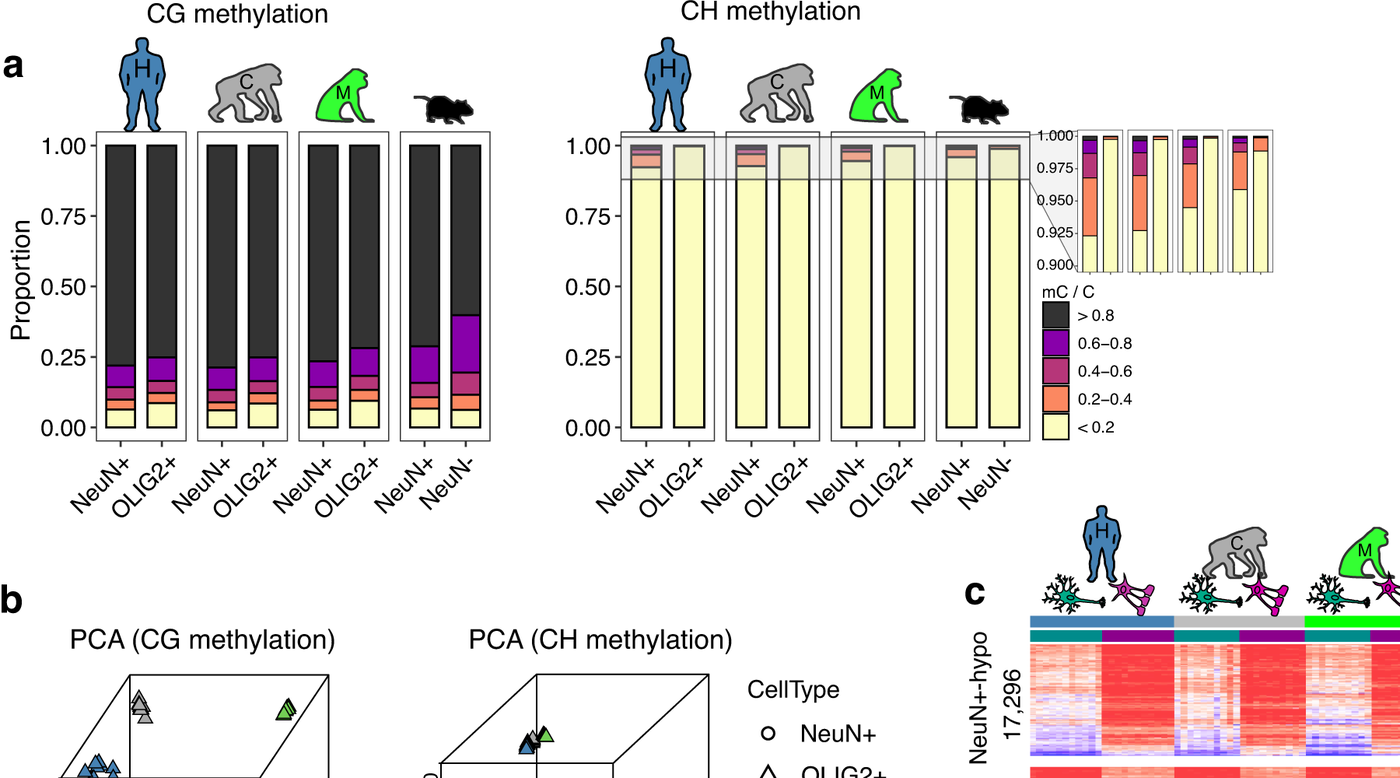
Evolution of DNA methylation in the human brain
Cell type-resolved methylomes identify human-lineage regulatory changes and their relationship to neuropsychiatric disease risk.
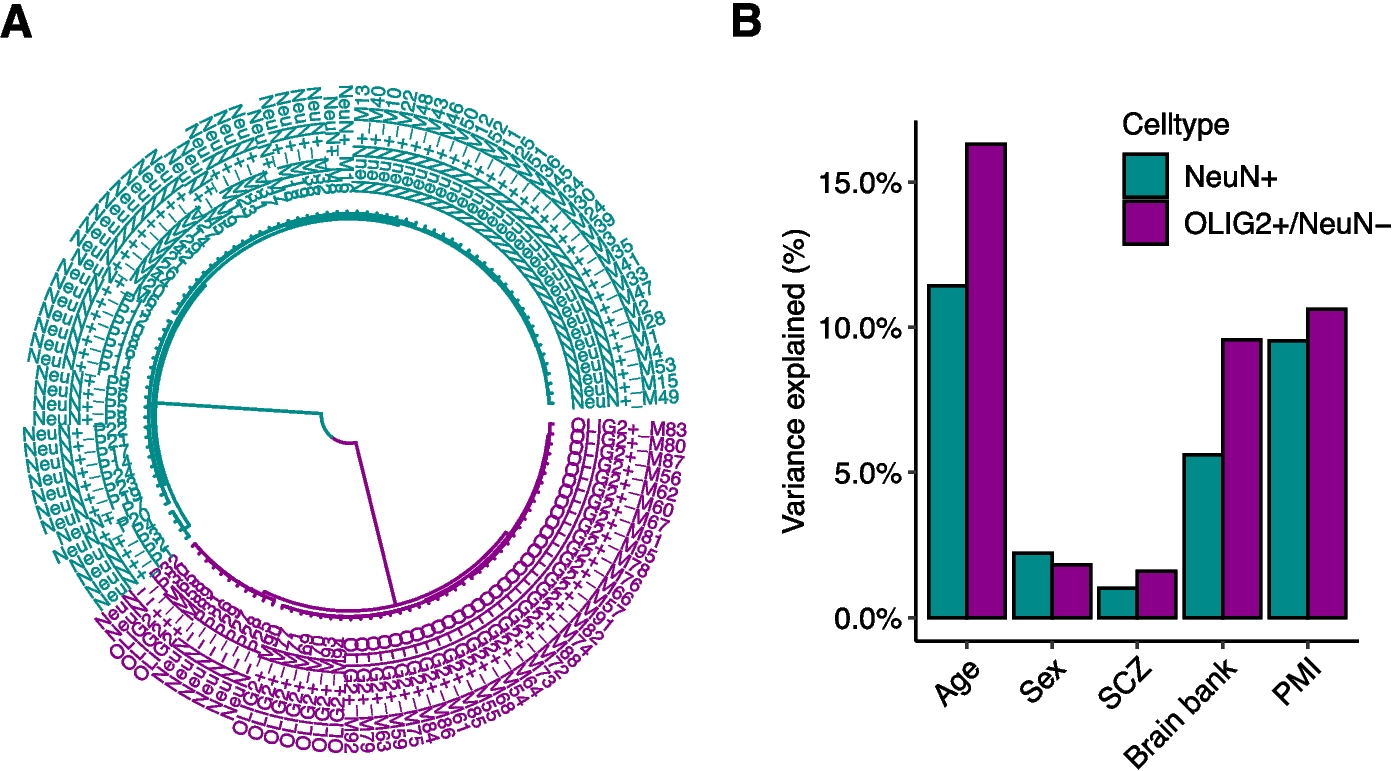
Human brain aging is associated with dysregulation of cell type epigenetic identity
Age-associated DNA methylation changes connect declining cell identity with brain aging and disease vulnerability.
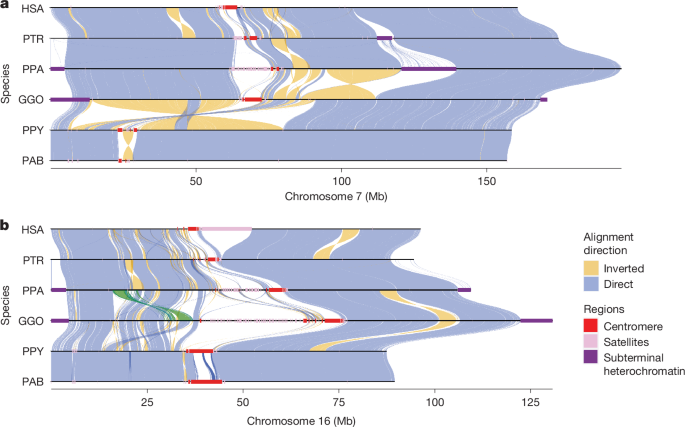
Complete sequencing of ape genomes
Haplotype-resolved reference genomes expose previously inaccessible regions across six ape species.
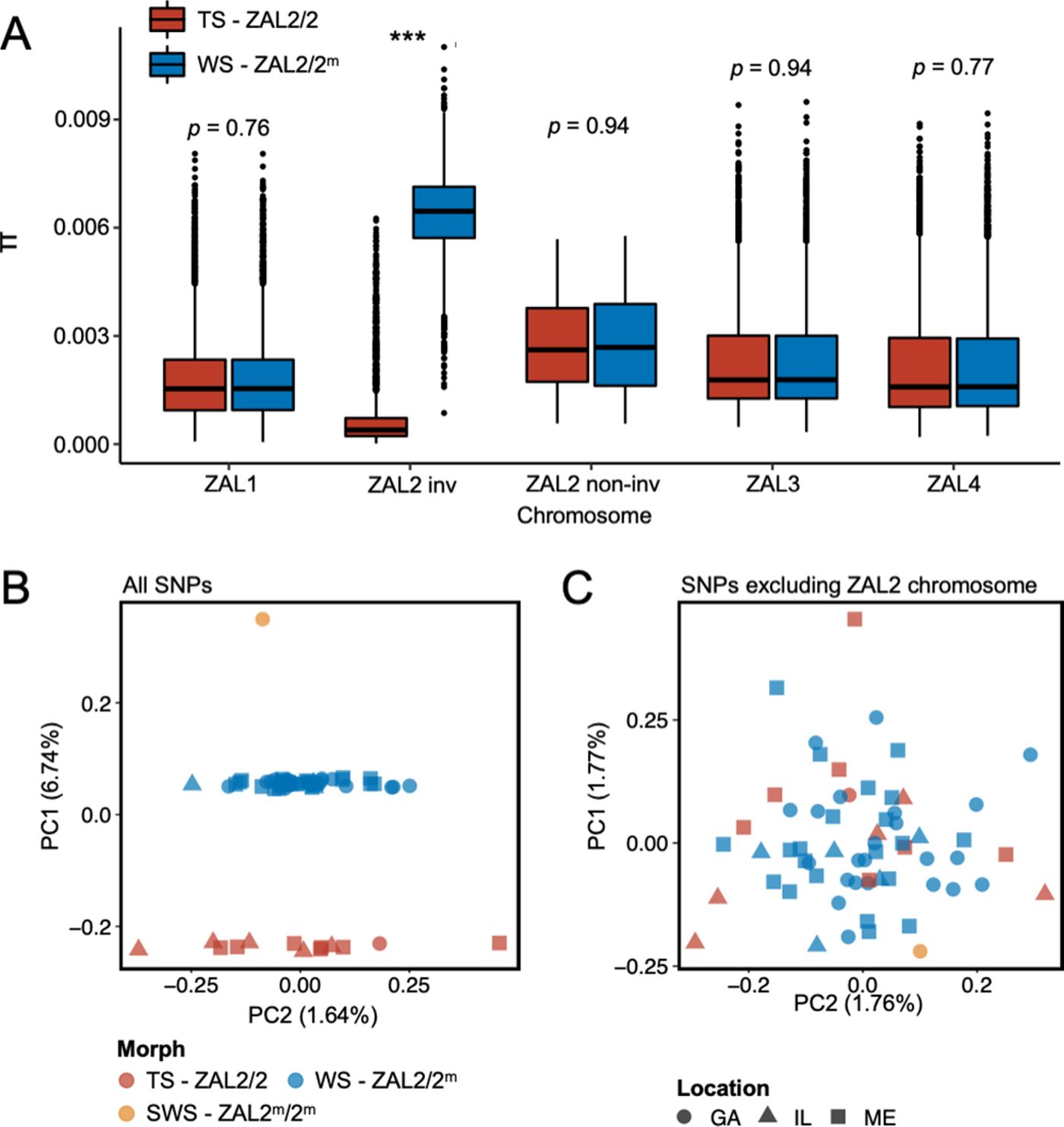
Dynamic molecular evolution of a supergene with suppressed recombination
Population genomic and transcriptomic analyses reveal distinct evolutionary dynamics within a vertebrate supergene.