Research
Every genome carries a history of evolution; every cell, a record of aging.
We study how genomic and epigenomic variation shapes human evolution, aging, and disease. Because a single reference genome cannot capture the large structural differences between people and species, we build donor-specific genome assemblies, compare complete primate genomes, and analyze epigenomes at single-cell resolution. Our work is fully computational, combining long-read genomics, single-cell multi-omics, statistical modeling, and machine learning.
Questions we ask
Questions that connect our work across genomes, species, and cells.
- What large genomic changes do we miss when every genome is compared with a single reference?
- Which genomic and regulatory changes shaped the human brain, and how did they affect disease risk?
- Why do cells lose their epigenetic identity with age, and why does tissue repair fail in disease?
- Can AI learn how each person’s genome, not just the reference, shapes regulation in every cell type?
Research areas
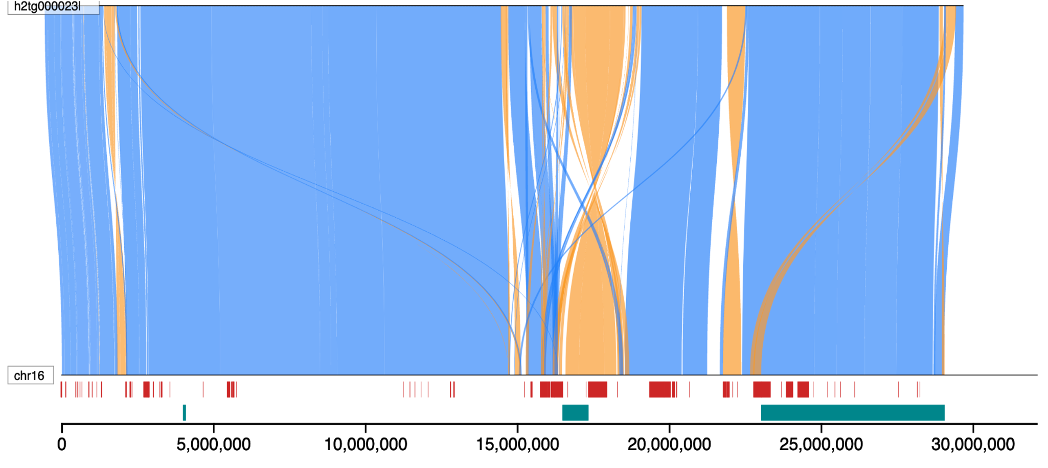
Genome architecture
Resolving the most complex regions of the genome
Segmental duplications, inversions, and other large structural variants are among the most dynamic parts of the genome, yet reference-based analyses often collapse or miss them. Using long-read assemblies from diverse humans and apes, we study how these regions vary among individuals and species, how they create new genes, and how they shape human evolution and disease.
Key papers Jeong et al., Nature Genetics 2025 · Yoo et al., Nature 2025
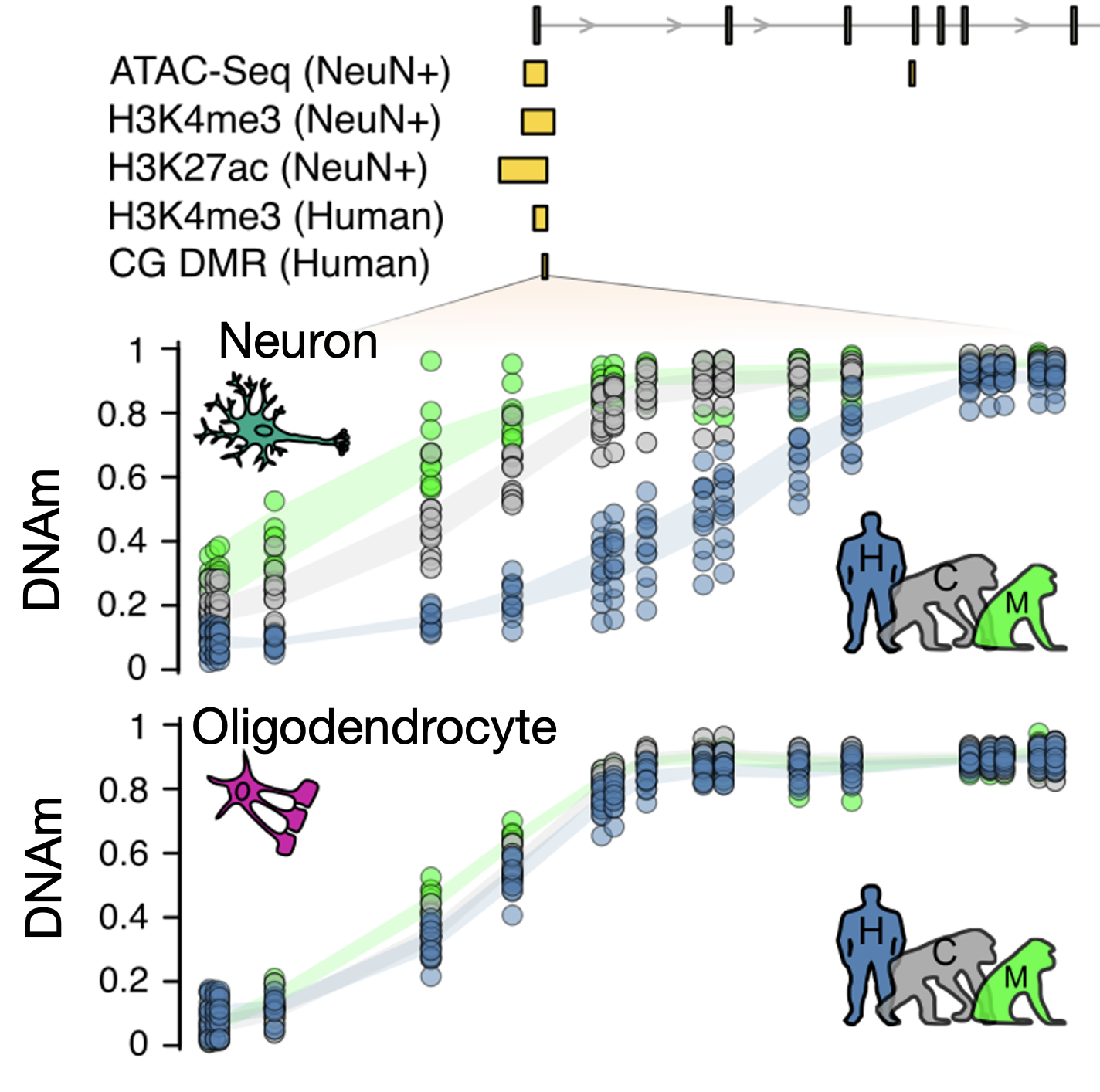
Regulatory evolution
Tracing how gene regulation changed in human evolution
Much of what makes us human lies in how genes are regulated, not only in which genes we have. We compare cell-type-resolved epigenomes of humans and other primates to find regulatory changes unique to the human lineage and to understand how they shaped the brain and influence disease risk.
Key papers Jeong et al., Nature Communications 2021 · Mendizabal et al., Genome Biology 2019
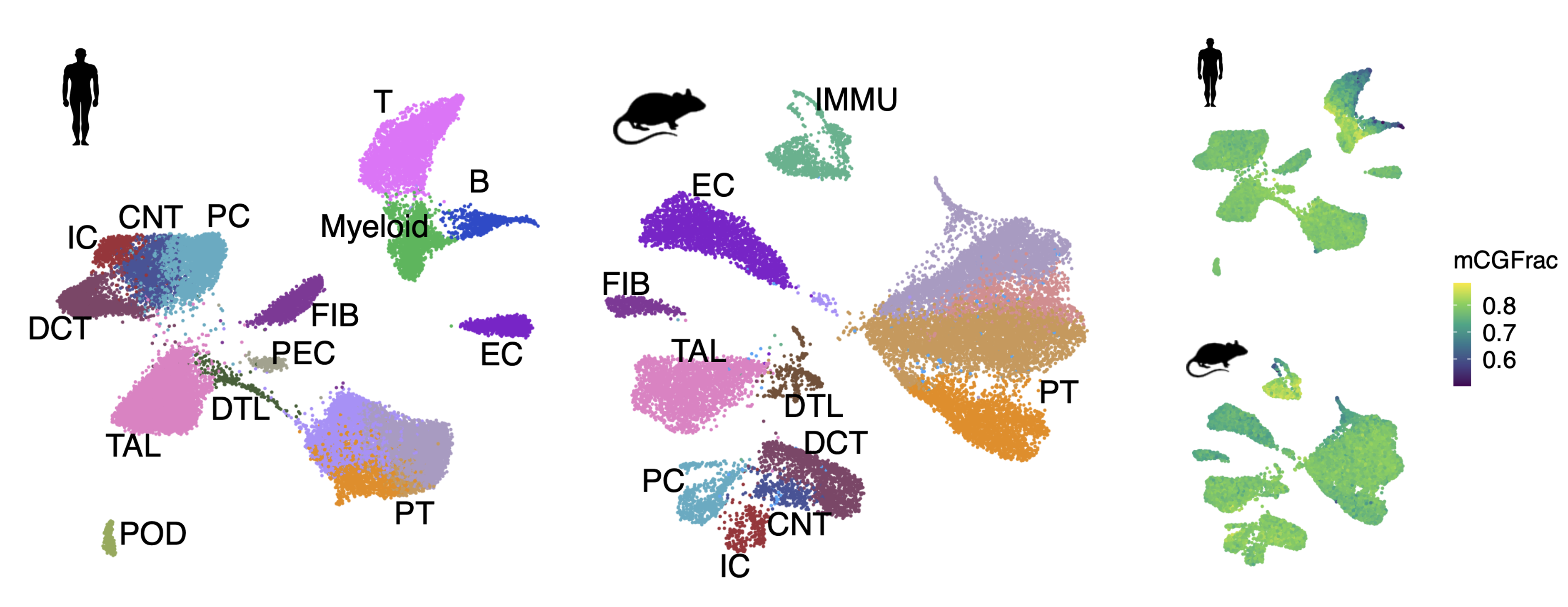
Aging and disease
Understanding how cells lose their identity with age
Aging does not affect every cell type equally. Using single-cell epigenomic and multi-omic data, we study which cells age fastest, how their regulatory programs break down, and why tissue repair fails in chronic disease.
Key papers Jeong et al., Nature Aging 2026 · Jeong et al., GeroScience 2025
Interested in these questions?
We welcome students and researchers from biology, computer science, statistics, and AI. All of our research is computational.